
When the Censor Wears Two Masks: Meta, Ankara, and the Struggles of the Vibrant Queer Community in Türkiye
Op-ed draft — Serkan Kasapoglu, July 2026 for Repro Uncensored
In the week before İstanbul Pride, the accounts began to vanish. Queer organizations faced with an unexpected error message while trying to access their social media accounts. Inside Turkiye, the Instagram pages of Kaos GL, İstanbul Pride Week, İstanbul Trans Pride Week, Ankara Pride, and İzmir Pride simply stopped existing.
Days earlier, fifty-seven X accounts belonging to women’s and LGBTI+ organisations- Mor Çatı’s shelter network, Lambdaistanbul, Women for Women’s Human Rights, the LGBTI+ working groups of the Human Rights Association—had been made invisible under Article 8/A of Turkiye’s internet law, on grounds of “national security and public order”. Queer dating apps followed. From outside Turkiye, the accounts remained visible. From inside, however, there is only the text: content unavailable.
Thanks for reading! Subscribe for free to receive new posts and support my work.
In the specific socio-political situation of Turkiye, however, the question “who did this” is harder to answer than, for example, the cases in Europe. Formally, the Turkish state ordered it: a criminal judgeship of the peace, acting on a request from the telecommunications authority, invoking a law whose “catalog crimes”—obscenity, prostitution, threats to public order—have long served as the legal costume for homophobia. But the state never touched a single account. Rather, Meta did, X did. The censor’s hand belongs to Menlo Park and the censor’s will belongs to Ankara; and the queer community in Turkiye cannot tell where one perpetrator ends and the other begins.
Meta’s transparency reports show Instagram complied with roughly 79 percent of Turkish removal requests in 2024. TikTok managed over 90 percent. X, whose owner styles himself a free-speech absolutist, received more takedown requests from Turkey than from any country except Japan and acted on more than two-thirds of them. We, however, cannot see what was removed upon these requests. The nature of the content is not specified. There is neither any categories, nor account lists, nor indication of whether a request targeted a scam network or a trans rights collective. The transparency report withholds precisely the information that would let civil society see itself being censored.
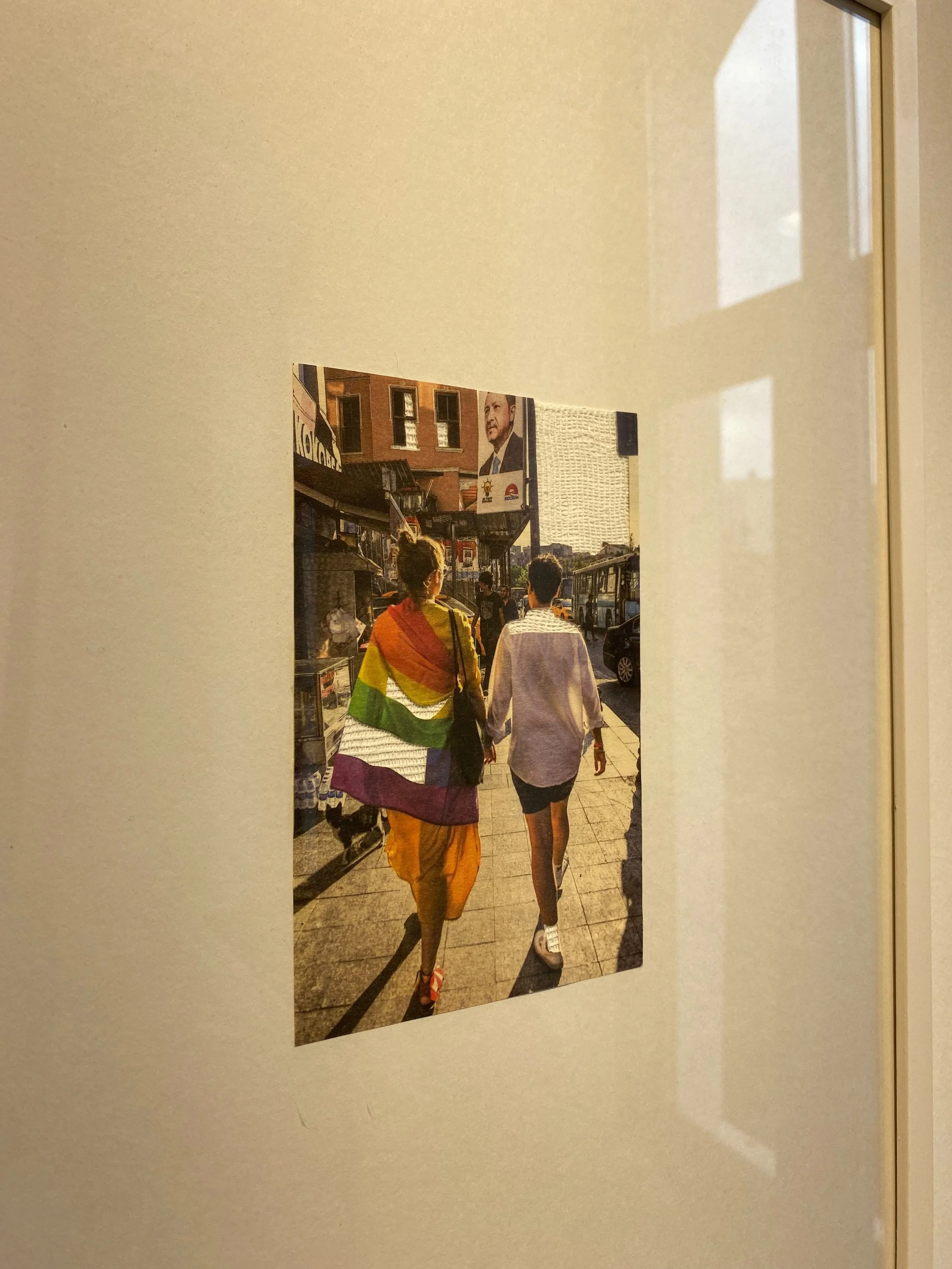
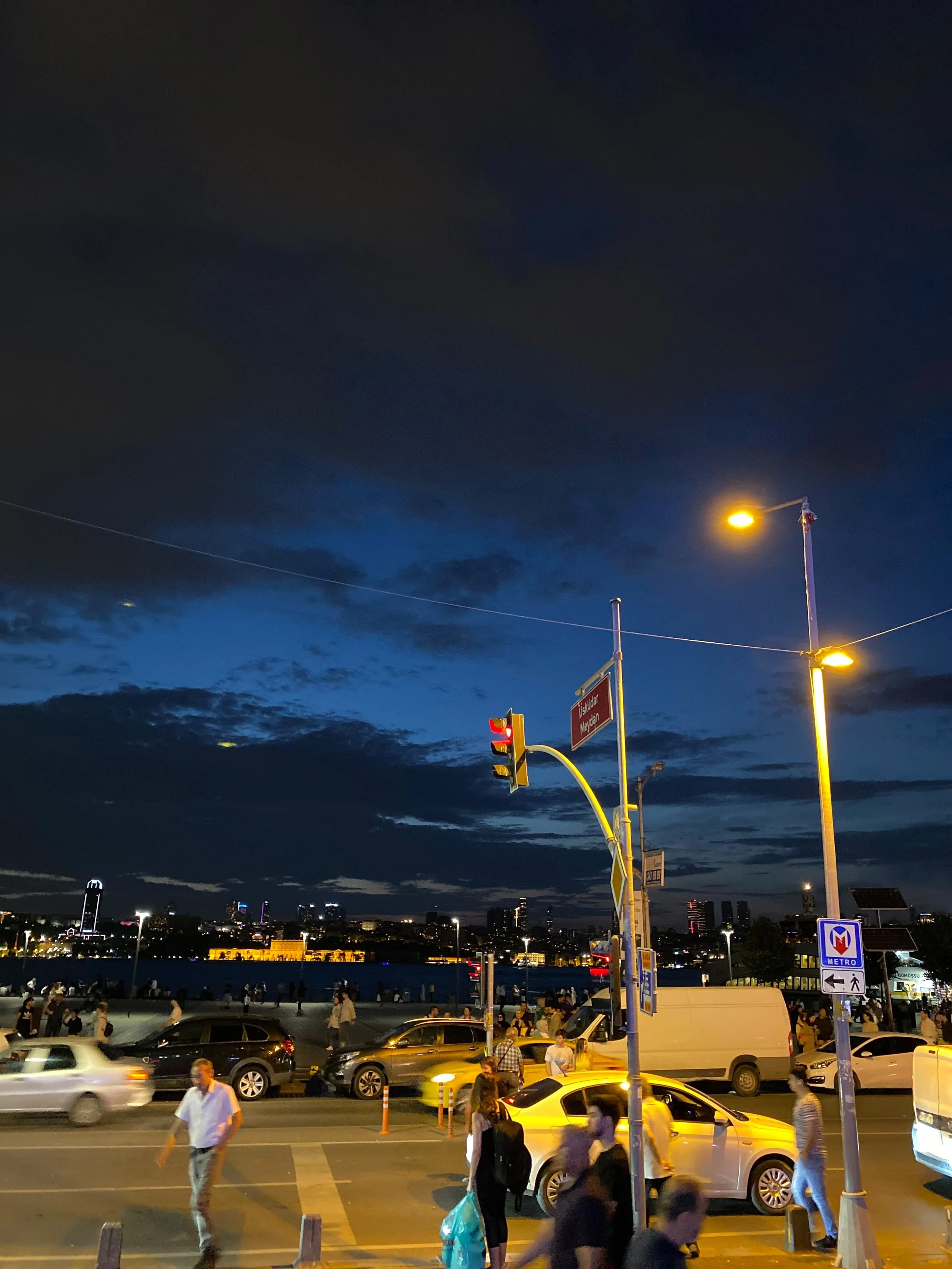
Occasionally, however, the curtain slips. In March 2025, amid the protests over Turkish opposition’s presidential candidate Ekrem İmamoğlu’s arrest, Meta published a case study noting that it had refused court orders against protest content—content it deemed “clearly in the public interest”—while restricting content critical of the government and content related to LGBTQ+ and feminist organisations. So, practically, Meta draws a line, and queer and feminist life falls on the disposable side. The company was fined a “substantial” sum for its refusals, which proves that the refusal is possible and compliance is a choice. When Meta blocks Kaos GL, it is not helplessly executing Turkish law; it is deciding that this particular speech is not worth a fine or that this execution is a good rationale for their own agenda, as we often see across its operations all around the world since at least December 2024.
Here the comparison with Europe becomes instructive. When Meta suppresses queer or reproductive-rights organisations in the EU—and it does, as also its ignored Oversight Board recommendations and its shadowbanned advocacy accounts attest—those organisations have somewhere to go. The Digital Services Act obliges platforms to explain removals and offer appeal. National regulators can be petitioned; the European Court of Human Rights sits at the end of a long but real road. The remedy is slow and often toothless, but the architecture of appeal exists, and platforms know they are watched by an authority that does not share their incentives. An authority, that, indeed, can exert its law against Meta’s technofeudalist ambitions.
In Turkiye, the architecture of appeal is the censor and censor only. The judgeships that issue blocking orders are the same institutions a blocked NGO must petition for reversal—and Turkish courts almost never reverse; Constitutional Court applications take years. By the time a ruling arrives, three Pride seasons have been silenced. There is no regulator to complain to, because the regulator wrote the request. There is no domestic press to raise a strong alarm, because the independent press is also constantly blocked and censored alongside you.
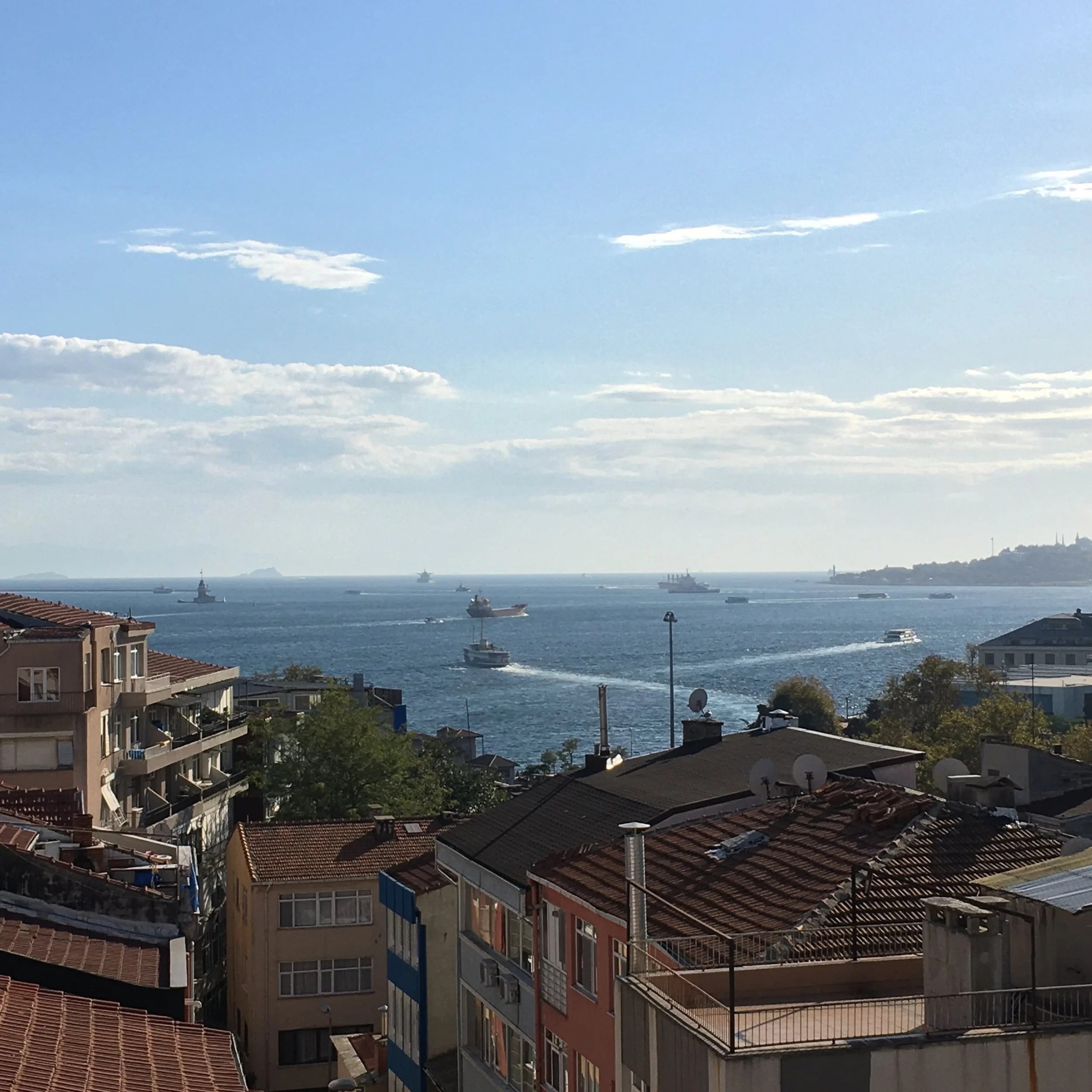
There is an interesting bargain at play here. When autocratic values are aligned, the state simply asks to the platform, and the platform that has calculated the value of the Turkish ad market against the value of Turkish queers does the rest—a calculation sharpened by legal amendments that threaten non-compliant platforms with throttling and advertising bans. Kind of an outsourced repression, executed by American infrastructure, and invisible to international scrutiny (though, hopefully, not so much, with the attention we are giving to it!).
This is why the tidy distinction between “state censorship” and “platform moderation” no longer describes anything real in countries like Turkiye. The two have fused into a single apparatus with distributed liability. The state supplies the legal pretext; the platform supplies the enforcement mechanism, the opaque interface, and the transparency report that transparently reports nothing. Each points at the other. The queer organisation, caught between them, cannot even name its adversary—and an adversary that cannot be named cannot be sued, shamed, or resisted.
What would resistance require? Minimally: that platforms publish, per country, the categories and targets of government requests. That every geo-blocked page say so—”restricted at the request of the Turkish authorities, court order no. XYZ”—instead of lying about technical errors. That companies which found the nerve to refuse orders against protest content extend the same nerve to Pride content, and litigate 8/A orders to the Constitutional Court. And that European regulators recognise that a company that acts as the enforcement arm of a censoring state abroad is telling you what it is willing to become at home, the moment the incentives align.
Until then, Turkish queer civil society persists the way it always has—in VPNs, in diaspora accounts, in resistance, in community support, and in the stubborn knowledge that visibility withdrawn is not existence erased.
And we invite the readers to be precise about what happened this Pride Month. Turkiye asked. Meta and X delivered.
Read our press release with our partners International Planned Parenthood Federation (IPPF), ÜniKuir Association and Kaos GL here