
Technology, Censorship, and Art in Japan: On Platform Power and Free Expression
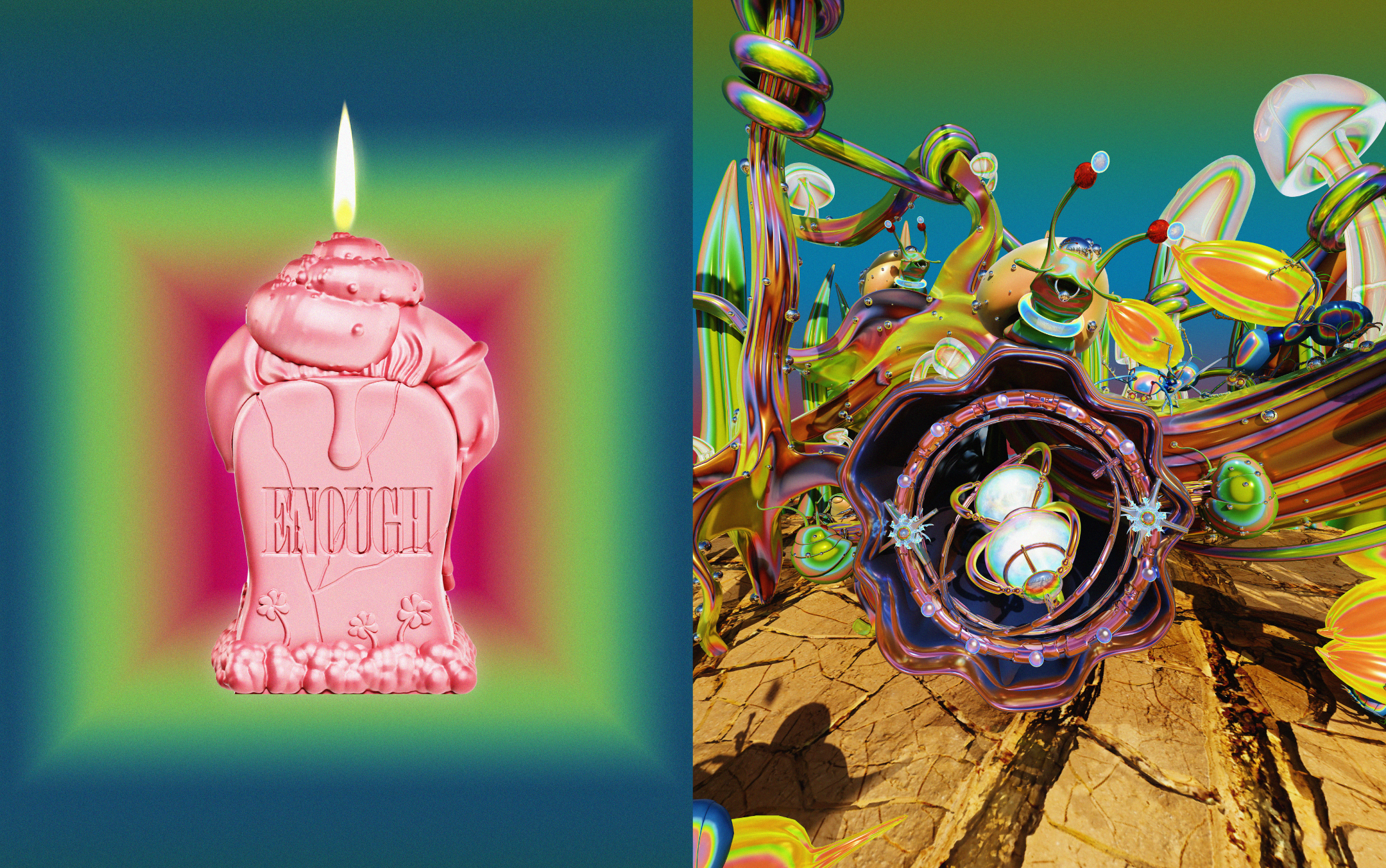
Japanese artist Minori Murata's work sits at the intersection of technology, ecology, consumer culture, and power. Working across CGI, video, installation, and interactive media, she creates immersive digital worlds that explore the systems shaping contemporary life, often using ants as a metaphor for human society. Through these imagined environments, her work examines value economies, collective belief, labour, hierarchy, and the often invisible structures that govern everyday experience.
A recurring theme throughout our conversation was the relationship between creativity and consumption. The move towards digital art emerged partly from a growing discomfort with material production and waste. While studying at university, Murata alternated between creating digital drawings and making clothing, accumulating materials and discarded objects that increasingly felt impossible to throw away. As her room filled with samples and salvaged materials, she began shifting towards a more digitally centred practice. During the pandemic, she taught herself CGI through online tutorials, finding herself naturally drawn to three-dimensional environments through her previous experience working with fashion and physical forms.
When discussing Tokyo, we were struck by how frequently commercial culture appeared as a central reference point. Art, entertainment, advertising, and consumer desire are deeply embedded within the city's visual landscape. Murata describes Tokyo as a place where art is frequently consumed through commercial and entertainment-driven forms. Since childhood, she has been surrounded by advertising, digital media, and technologies designed to capture attention, from animated billboards and digital signage to service robots and increasingly mediated urban experiences.
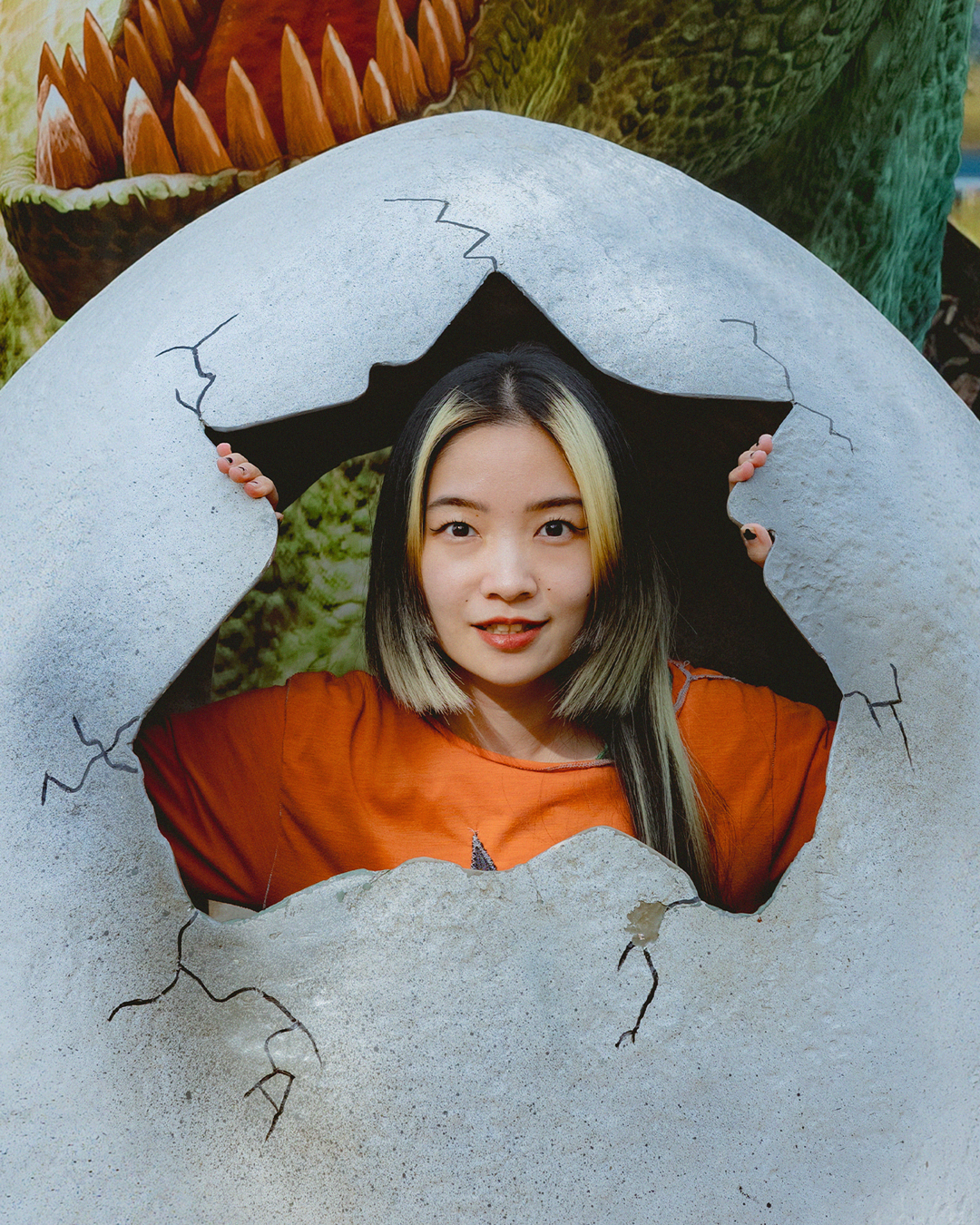
At the same time, her upbringing near the Tama River exposed her to a different environment, one where forests, insects, rivers, and open spaces coexisted with video games and consumer culture. She recalls spending her childhood collecting insects while also immersing herself in digital worlds, describing the experience as growing up inside a toy box where nature and virtuality existed side by side. This duality continues to shape her work today. While some viewers describe her aesthetic as maximal or psychedelic, she sees it as a reflection of growing up within a society saturated by information, desire, and consumption.
One of the most compelling themes to emerge from the discussion was the role of digital environments in making invisible systems visible. Digital environments offer a unique way to represent things that are otherwise invisible, whether forms of power, collective belief, energy, or social structures. By translating these concepts into three-dimensional and virtual forms, artists can give them a stronger sense of presence. Digital art, in this sense, allows creators to build worlds while simultaneously inhabiting them.
This interest in visibility extends directly into questions of censorship. Rather than understanding censorship solely as direct government restriction or platform moderation, Murata describes a more subtle dynamic operating within Japanese society. In her view, censorship often takes the form of managing visibility itself. Certain forms of expression become amplified while others quietly disappear from public view.
Although Japan has one of the largest user bases on X, it also records a significant number of content removal requests. While such requests are often justified in terms of safety or crime prevention, the broader cultural effects are worth examining. More concerning than the removal of individual pieces of content is the atmosphere that emerges when people begin to internalise which questions can be asked, which emotions are acceptable, and which forms of criticism are likely to disappear.
The conversation also highlighted how censorship can extend beyond governments and platforms. In contemporary Japan, expressions that can be easily integrated into commercial systems are often prioritised, while discomfort, contradiction, trauma, and sadness are pushed to the margins. In highly organised urban environments, inconvenient realities can seem to vanish from public view altogether.

These concerns are deeply connected to Murata's artistic practice. Through ants, fictional currencies, advertising systems, and interactive environments, she explores how power often operates through cheerful and seemingly harmless surfaces. Her work seeks to reveal the labour, ecological damage, dependencies, hierarchies, and systems of belief that remain hidden beneath contemporary consumer culture.
The conversation also highlighted how digital art expands the possibilities of creative expression. Because digital technologies transform colour, movement, scale, and form into information, artistic works can move fluidly across formats, from still images and animation to games, installations, virtual reality, and augmented reality. Rather than existing as fixed objects, digital artworks can become systems that audiences enter, navigate, and experience.
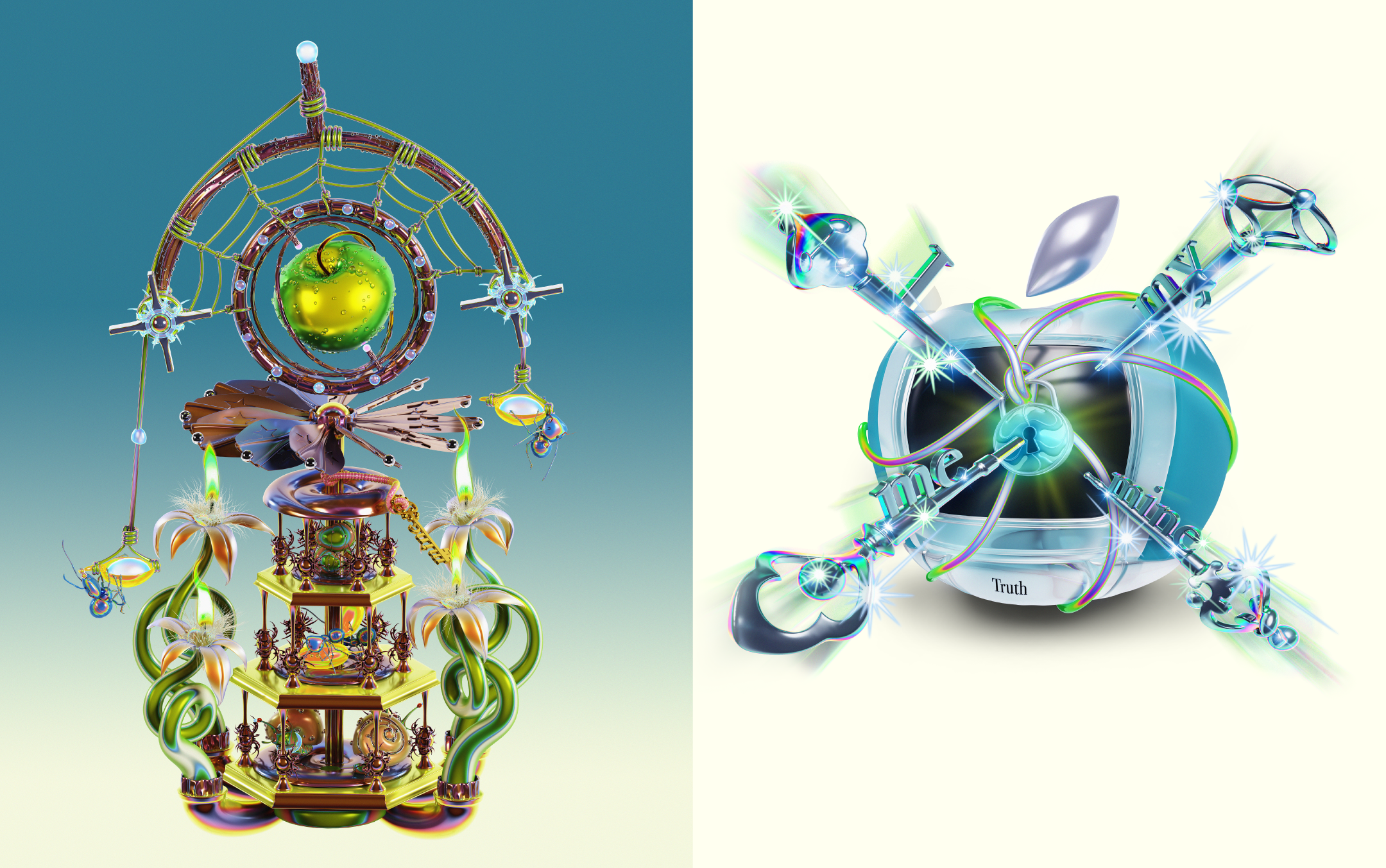
Looking ahead, questions of power and infrastructure appear increasingly important for artists working in digital spaces. Reflecting on the history of the internet, Murata points to a period when online spaces functioned as countercultural environments where individuals could experiment, build communities, and resist dominant forms of power. While social media platforms have transformed that landscape, there are signs that artists and users are once again searching for alternatives.
The growing adoption of open-source tools such as Blender reflects this shift. As more creators move away from expensive proprietary software and platform dependency, new communities and creative ecosystems may begin to emerge. The future of digital art may not only be about producing images, but also about shaping the infrastructures through which those images circulate.
Throughout the conversation, questions of visibility repeatedly surfaced. Whether discussing Tokyo's consumer culture, platform moderation, commercial pressures, or digital art itself, visibility emerged as a central political question. What becomes visible, what disappears, and who controls those processes increasingly shapes contemporary cultural life.
In an era increasingly defined by platform governance, algorithmic visibility, and concentrated technological power, questions of expression are also questions of infrastructure. The challenge is not simply what can be created, but who controls the systems that determine what remains visible.