
Vodun Days 2026: Reclaiming Cultural Sovereignty in Benin and West Africa Against Erasure
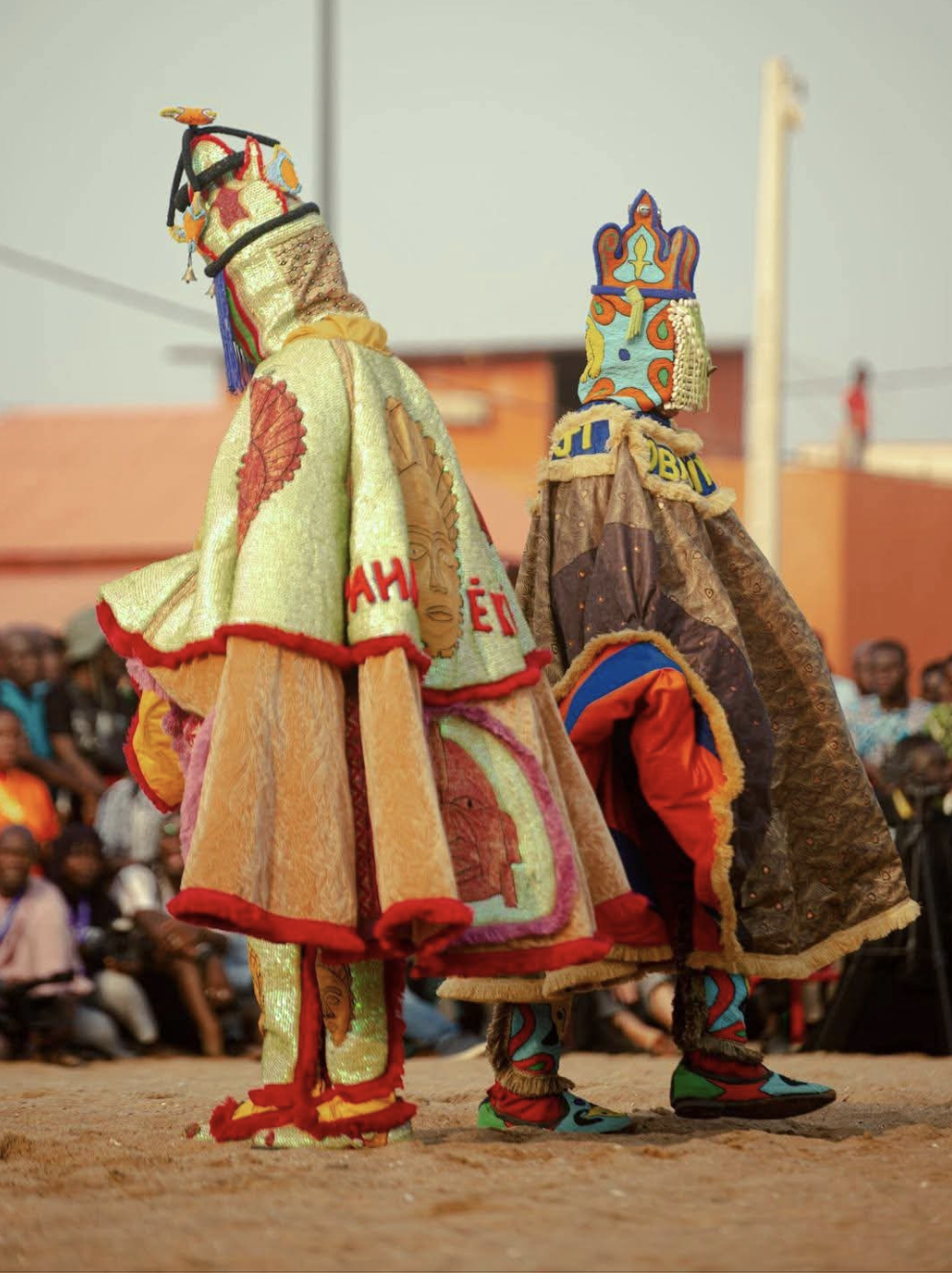
From January 8 to 10, 2026, Benin came alive with the rhythm of the Vodun Days, a cultural and spiritual gathering that has become a defining moment for cultural self-assertion in West Africa. Our contributors from the Network of Journalists of West Africa in Benin (RJ-DSSR) reported on Vodun Days 2026 for Repro Uncensored, documenting the event from within the communities where these traditions are lived and practiced.
Created to honor and reclaim Vodun heritage, the celebration centers a belief system that originated in this region and has endured centuries of suppression, misrepresentation, and forced displacement, yet remains foundational to the histories, identities, and social organization of Beninese communities.
For its third edition, Vodun Days 2026 brought together more than 740,000 participants, with nearly 2 million visitors recorded across cultural and spiritual sites, particularly in Ouidah. This marked an increase of more than 70 percent compared to the 2025 edition, reflecting not only the event’s growing scale but a collective demand for spaces where West African cultures speak for themselves, on their own terms, outside narratives shaped by colonial histories, religious domination, or global cultural industries.
Vodun as Living Knowledge, Not Folklore
Over three days, ritual dances, ceremonies, artistic expressions, and moments of collective transmission created spaces for reconnection with the spiritual, social, and political dimensions of Vodun. Often reduced to superstition or spectacle, Vodun is in fact a complex spiritual, philosophical, and social system that structures relationships between people, ancestors, nature, and the unseen. It encompasses ethics, healing practices, ecological knowledge, systems of care, and forms of social organization that continue to guide communities across Benin and the wider region.
These practices are not remnants of the past, but living modes of knowledge production and transmission, sustained through embodied practice, oral histories, and communal ritual. Vodun Days make these systems visible on their own terms, affirming their relevance in contemporary life and resisting narratives that frame Indigenous knowledge as incompatible with modernity.
Cultural Erasure as a Form of Censorship
In West Africa, where oral traditions and embodied knowledge remain central, censorship has rarely operated only through explicit bans or prohibitions. It has taken the form of erasure from official histories, ridicule and demonization of spiritual practices, legal marginalization under colonial and post-colonial regimes, and the systematic devaluation of Indigenous knowledge in favor of externally imposed religious, legal, and educational frameworks.
Colonial and missionary campaigns sought not only to suppress Vodun rituals, but to discredit the knowledge embedded within them. These hierarchies persisted long after independence, reinforced by state institutions, media representations, and global cultural norms. Vodun Days confront this legacy directly by restoring visibility, legitimacy, and dignity to practices that were never lost, but long denied recognition.
Reclaiming Public Space and Narrative Authority
By anchoring Vodun in public space, Vodun Days reclaim ritual, performance, and transmission as collective and political acts. Visibility itself becomes a form of resistance, challenging who is allowed to appear, speak, and be recognized as legitimate in cultural and civic life.
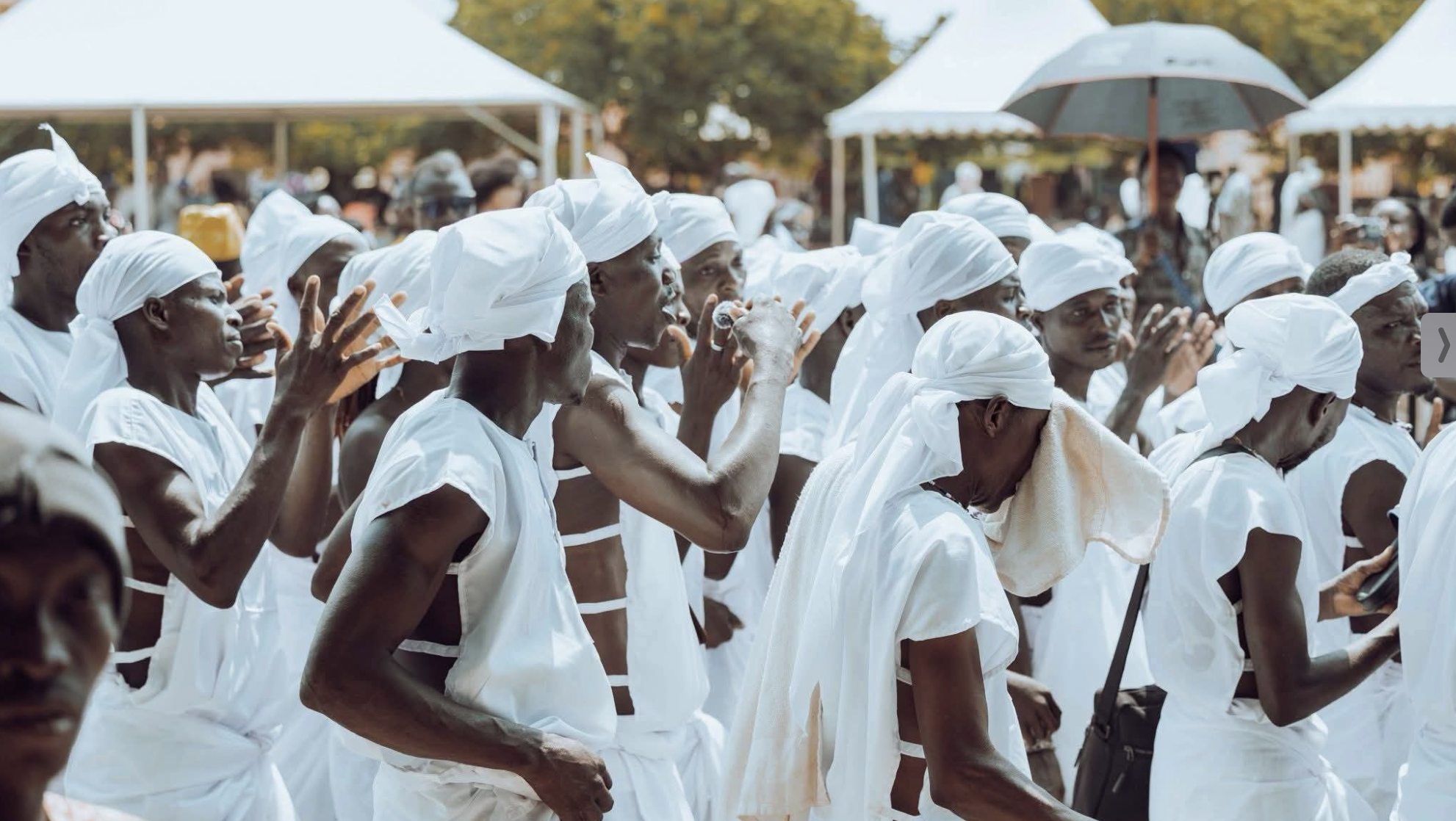
This reclamation is especially significant in a contemporary context shaped by digital platforms and algorithmic visibility, where non-Western spiritual and cultural expressions are frequently misclassified, suppressed, or flattened into spectacle. Vodun Days offer an alternative model of cultural circulation—rooted in place, community, and embodied presence rather than platform-driven norms of acceptability.
From Benin to West Africa: Cultural Sovereignty in Practice
Vodun Days also operate as a bridge between Benin, the wider West African region, and diasporic communities, countering long histories of cultural fragmentation caused by slavery, colonialism, and displacement. In doing so, the festival affirms West Africa as a site of cultural leadership, where sovereignty is practiced through collective memory, transmission, and self-definition.
Repro Uncensored participated in Vodun Days 2026 alongside cultural practitioners, community leaders, and organizers committed to preserving and amplifying Beninese and West African cultural expression. Our engagement reflects an understanding of censorship that extends beyond digital takedowns to include the long-term suppression of culture, spirituality, and collective memory.
By documenting and contextualizing these moments, Repro Uncensored seeks to connect struggles for cultural visibility with broader fights for freedom of expression, knowledge transmission, and information justice. Vodun Days 2026 affirm Benin as a place of living traditions and active resistance, where cultural sovereignty is not only celebrated, but mobilized against erasure, silence, and imposed narratives.